
Do Alaska Winters Kill Mosquitoes? What Survives Until Spring
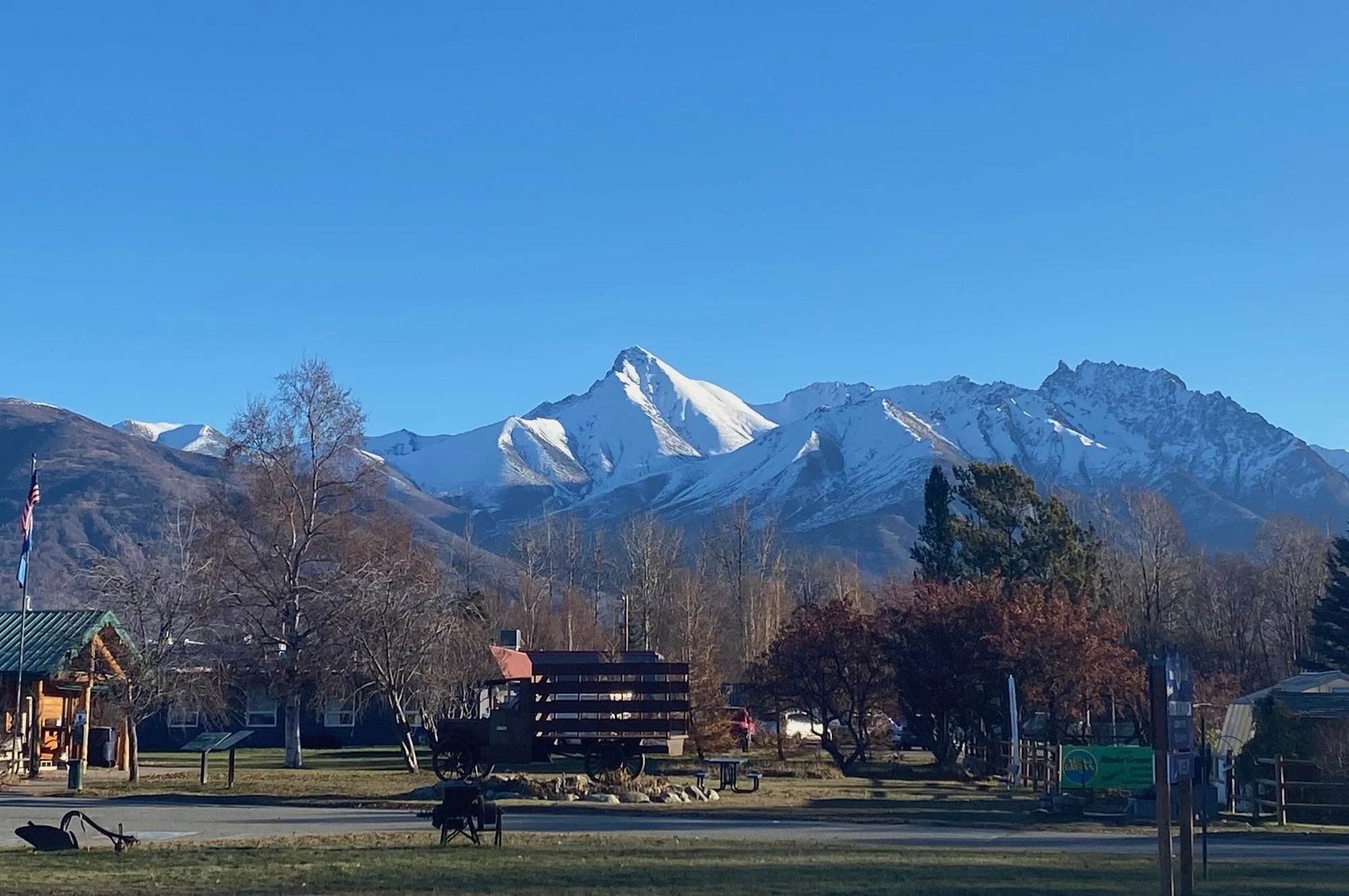
In the Mat-Su Valley, summer’s end comes with those familiar signs. We’ve eaten too many funnel cakes at the Alaska State Fair, termination dust is showing up on Pioneer and Matanuska Peaks, and the nights are starting to feel a little colder. Mosquitoes seem like one Alaska problem the coming winter should solve.
But it doesn't. Many adults die, but dormant eggs and some sheltered adult females survive until spring. By breakup, the next wave is already in place. In one form or another, Alaska’s mosquitoes never left.
Two Survival Strategies Carry Mosquitoes Through Winter
The strategy a mosquito uses depends largely on where its species lays eggs.
Floodwater Mosquitoes Leave Eggs Behind
Floodwater mosquitoes lay their eggs on damp soil and other surfaces that periodically flood. Before the eggs can hatch, they must first pass through a dry period.
That delay works to their advantage in Alaska. The eggs remain dormant through months of cold, and some species even require freezing temperatures before they are ready to hatch.
Standing-Water Mosquitoes Survive as Adult Females
Species that lay their eggs on permanent pools take a different route. Their eggs are deposited directly on the water and cannot survive if that water dries up.
These species typically overwinter as mated adult females. The females enter dormancy and remain sheltered until conditions allow them to become active again.
Snow Can Protect Mosquitoes From Extreme Cold
A deep blanket of snow may look hostile, but conditions underneath can be far less severe than the bitter air above.
According to the Alaska Department of Environmental Conservation, some hibernating mosquitoes can survive temperatures at -25°F when protected by snowpack.
| Winter Condition | Effect on Mosquito Survival |
|---|---|
| Deep snowpack | Insulates dormant adults from the coldest air temperatures |
| Limited snow cover | Leaves overwintering adults more exposed and may reduce survival |
| Dormant eggs | Remain largely unaffected by the amount of snow covering the ground |
A harsh winter alone does not reliably predict mosquito pressure months later. Rainfall, temperature, and seasonal changes continue shaping activity after breakup.
How Breakup Sets the Next Generation in Motion
As snow disappears, overwintering females leave dormancy and resume feeding. At the same time, meltwater covers dormant floodwater eggs and triggers them to hatch, sometimes in water close to freezing.
From hatching to flight, mosquitoes develop through three stages:
Larva: Sometimes called a “wiggler,” the larva lives near the water’s surface, feeds on microorganisms, and molts four times as it grows.
Pupa: The pupa, often called a “tumbler,” remains in the water but no longer eats. Inside, it transforms into an adult.
Adult: The developed mosquito breaks through the pupal case and rests on the water until its body and wings are ready for flight.
Floodwater eggs can accumulate before the right conditions arrive. When large numbers hatch together, mosquito activity can appear to surge almost overnight. Once airborne, adult mosquitoes leave the water and settle into shaded, protected places around the yard.
Schedule Mosquito Control Before Spring Activity Builds
Our team provides seasonal mosquito treatments throughout Palmer, Wasilla, Chugiak, Eagle River, Willow, Sutton, and Butte. As certified applicators, we understand Alaska’s changing conditions and take a careful approach to every property.
We want you to enjoy Alaska’s short summer with fewer mosquitoes around your yard. We’ll be happy to help you prepare before mosquito activity picks up. Contact us to request service.
