
Where Mosquitoes Are Hiding in Your Palmer and Wasilla Yard
You step outside for a few minutes and immediately get swarmed near the garage, the shed, or one damp corner of the yard.
That is what makes mosquitoes in Alaska so frustrating, especially during peak mosquito season in the Mat-Su Valley. The problem usually is not one obvious puddle sitting in the middle of the lawn. It is the small spots homeowners stop noticing, wet gravel beside the driveway, a sagging tarp behind the shop, or standing water collecting near the house after rain.
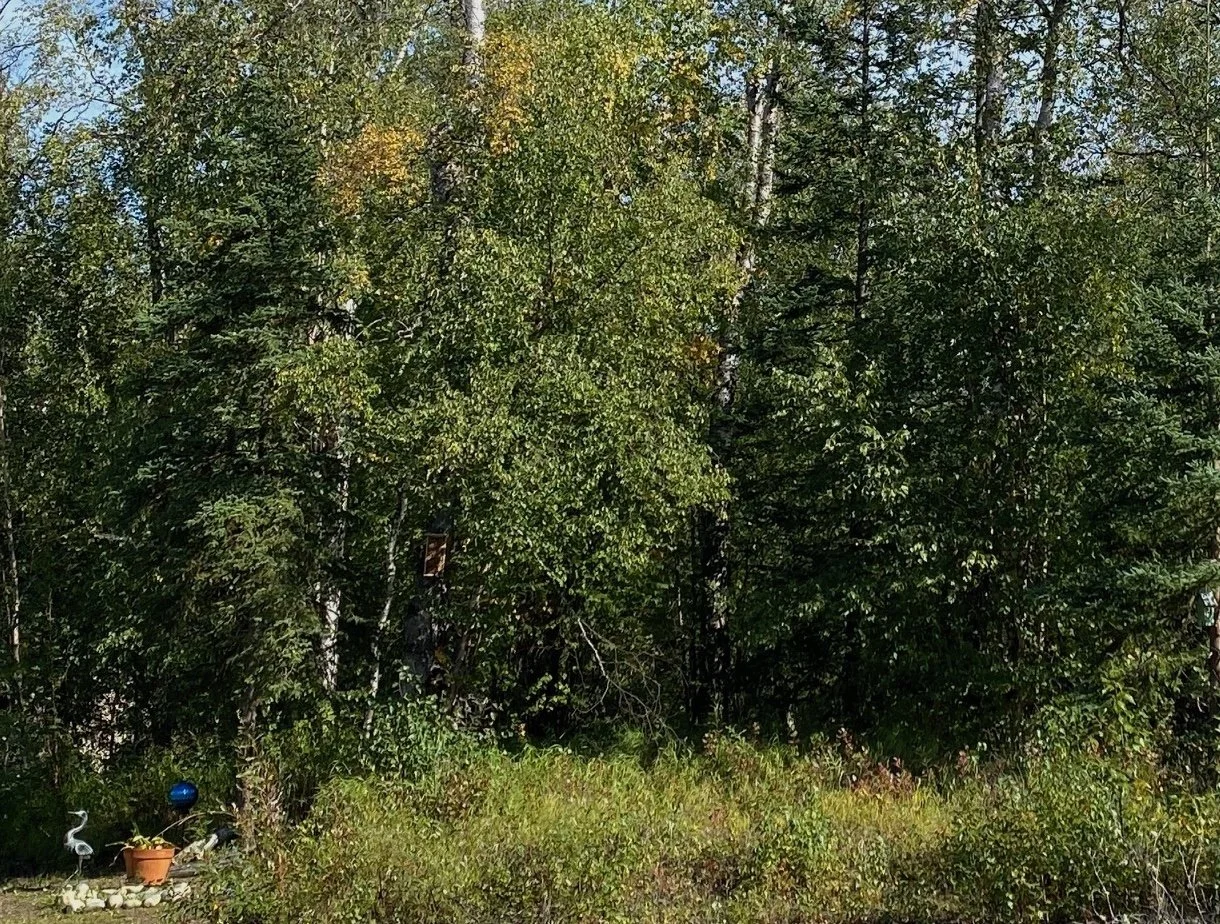
Most mosquito control starts with finding the overlooked areas quietly creating pressure around your outdoor living spaces.
This guide walks through a Palmer and Wasilla property the same way a mosquito control technician would, starting close to the structure and working outward.
The Mosquito Spots Hiding Right Against the House
Most homeowners look toward the tree line first. Meanwhile, a surprising amount of mosquito activity starts right beside the house.
Gutters That Overflow in the Same Spots Every Time
Overflowing gutters create repeat problem areas that blend into the background over time. Water spills over the same edges, runs down the siding, and keeps the soil below damp long after rain ends.
You’ll usually spot the signs quickly, muddy patches near entryways, staining below the gutter line, or water pooling near downspouts.
Those consistently wet areas create easy mosquito hiding spots close to the house.
The Areas Along the House That Never Quite Dry
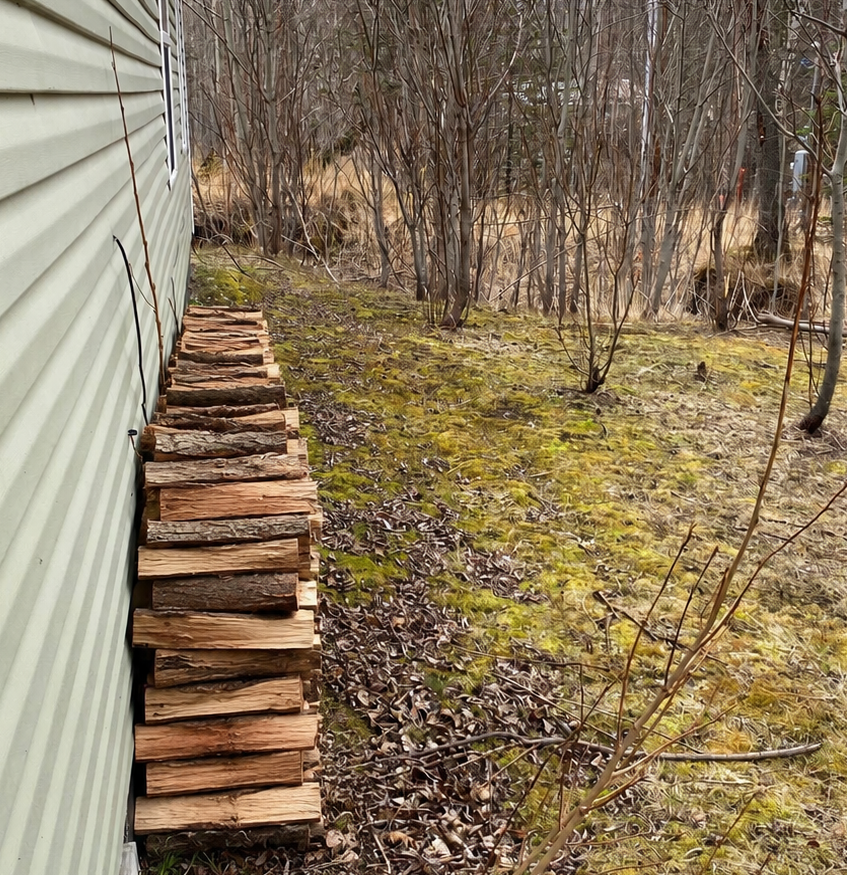
North-facing walls, shaded mulch beds, roof drip lines, and tight corners with little airflow usually stay wet longer than the rest of the yard.
If one side of the house still feels damp hours after everything else dries out, mosquitoes are probably already using it.
Storage Corners Beside the House
The narrow spaces beside homes often become catch-all storage areas for stacked buckets, spare lumber, unused planters, and other forgotten items tucked near the siding.
Because these areas stay shaded and rarely get checked closely, small pockets of water and soft ground can go unnoticed for long stretches after rain.
Hidden Mosquito Spots Around Sheds, Shops, and Storage Areas
The longer something sits in the yard, the less people notice it. Some of the worst mosquito hiding spots are tucked around equipment, storage piles, and low-traffic corners homeowners walk past every day.
Tarps, Equipment Covers, and Storage Areas
A tarp does not need to hold much standing water to become a mosquito problem. Small sagging pockets and shaded storage areas can stay wet for days after rain.
Common trouble spots include:
ATV and snowmachine covers
Utility trailers parked in low ground
Firewood tarps sagging in the middle
Tires and stacked materials near shops
Equipment stored beside detached garages
Low-traffic corners inside airplane hangars
Around Palmer and Wasilla, these areas often sit untouched for long stretches, especially behind shops and outbuildings where airflow stays limited.
One overlooked storage corner may not seem important. Several spread across a property can make outdoor living spaces miserable by mid-summer.
Gravel Ruts, Drainage Edges, and Soft Ground
Mosquitoes often build up in the low areas people drive over every day without noticing.
Gravel driveways: Long gravel driveways around Palmer and Wasilla often hold moisture longer than they appear to, especially after steady rain.
Thaw ruts and compacted tracks: Tire grooves and packed ground can trap shallow water for days, even when the surrounding yard looks dry.
Garage and shop edges: Muddy strips beside detached garages and workshops are common mosquito control trouble spots because runoff slows down and airflow stays limited.
Where gravel meets concrete or grass: These transition areas frequently develop small drainage slowdowns that create hidden wet pockets.
Around hangars and outbuildings: Soft edges near airplane hangars, storage buildings, and detached shops often stay damp longer than homeowners realize, especially in shaded areas.
Even minor yard drainage issues can create steady mosquito pressure around the property during Alaska summers.
Tree Lines and Shaded Property Edges
Dense spruce cover, overgrown brush, and shaded fence lines can hold moisture far longer than the open parts of the yard. These cooler areas dry out slowly after rain, especially where airflow stays blocked by trees or thick vegetation.
The result is damp ground homeowners rarely think about, but mosquitoes absolutely do.
Some Mosquito Problems Are Harder to Control Than They Look
Even well-maintained properties can develop recurring mosquito activity during Alaska summers. Large lots, shaded storage areas, wet gravel edges, and hidden damp zones can continue creating problems long after the obvious standing water is gone.
That is usually when homeowners move beyond basic cleanup and start looking into professional mosquito treatment and mosquito spraying to keep outdoor spaces usable throughout the season.
Take Back Your Yard Before Mosquitoes Take Over Summer
Mosquitoes usually build up in the spots homeowners stop noticing, wet gravel beside the driveway, runoff near the house, sagging tarps, and shaded storage areas that stay damp after rain.
A quick walk around the property will usually reveal the problem areas. Pay attention to the places that still feel muddy or soft while the rest of the yard dries out.
Some issues improve with better cleanup and drainage. Others need more consistent mosquito control to keep activity down throughout the summer.
If mosquitoes are making patios, decks, and outdoor spaces hard to enjoy, Peak Pest Control can help identify hidden trouble spots and provide targeted mosquito spraying for Alaska properties, including large lots and rural homes.
Request a mosquito control inspection and enjoy your yard again this summer.
