
Do Mosquitoes in Alaska Carry Diseases?
Alaskans joke that the mosquito is the state bird, but there is a reason mosquitoes are taken seriously. The Centers for Disease Control and Prevention (CDC) identifies mosquitoes as the world's deadliest animal because of the diseases they can spread.
Alaska has enormous mosquito populations. So do those mosquitoes carry the same disease risks found elsewhere in the United States?
Usually, no.
Alaska's mosquito-borne disease profile is very different from much of the Lower 48. According to the Alaska Department of Environmental Conservation (DEC), mosquito-borne viruses prevalent elsewhere in the United States, including West Nile virus and several forms of encephalitis, do not currently occur in Alaska.
That distinction matters. A lot of mosquitoes does not automatically mean a high disease risk. The species involved, local wildlife, environmental conditions, and whether a transmission cycle can develop all influence what mosquitoes are capable of spreading.
Are Mosquito-Borne Diseases Common in Alaska?
Mosquito-borne disease depends on several factors lining up at the same time.
The right mosquito species
Not every mosquito can transmit every disease. Some pathogens depend on particular mosquito species capable of carrying and spreading them.
A transmission cycle has to exist
A mosquito-borne disease needs a pathogen, compatible hosts, and mosquitoes capable of moving that pathogen between them.
The environment has to support transmission
Temperature, season length, wildlife hosts, and other environmental conditions can determine whether that cycle can continue.
Alaska's combination of mosquito species and environmental conditions has so far limited the mosquito-borne viruses common in many other parts of the country. DEC states that these viruses do not currently occur in Alaska because of factors that include environmental conditions and the absence of specific mosquito carrier species.
So a year with especially heavy mosquito activity may mean more swatting, more bites, and more frustration. It does not automatically signal greater disease risk.
What About West Nile Virus in Alaska?
West Nile virus does not currently occur in Alaska, according to Alaska DEC.
West Nile is particularly relevant because it is one of the best-known mosquito-borne diseases in the United States. The CDC identifies it as the leading cause of mosquito-borne disease in the contiguous United States.
For sustained local transmission to occur, the virus needs compatible mosquito species, hosts, and environmental conditions that allow the cycle to continue. Those pieces have not come together in Alaska in the same way they have elsewhere.
Could That Change?
Mosquito populations and environmental conditions can shift over time, which is why Alaska’s disease profile continues to be monitored.
The important distinction for homeowners is between a potential future risk and what is documented in Alaska today.
Can Mosquitoes Affect Animals in Alaska?
Mosquito-borne diseases can affect wildlife and domestic animals in parts of the United States. In Alaska, however, it is important to distinguish diseases involving mosquitoes from those associated with other biting insects.
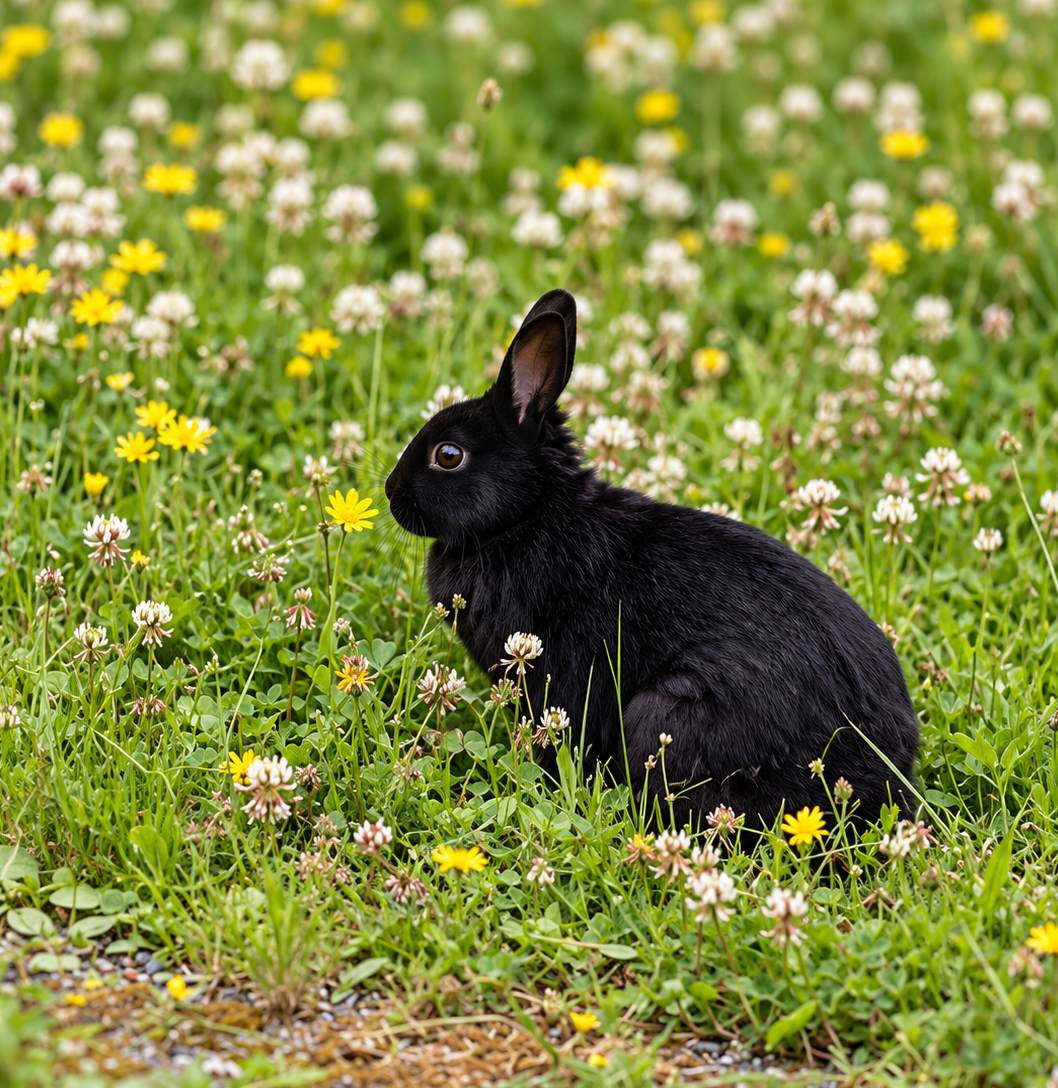
Rabbits, Hares, and Tularemia
Tularemia provides a good Alaska-specific example.
The disease is present in Alaska and can occur in hares and other small mammals. Alaska DEC identifies black flies, biting midges, and deer flies as insects capable of carrying tularemia. The agency notes that it can also occasionally be transmitted to people or pets.
That distinction matters because insect-borne disease and mosquito-borne disease are not the same thing.
Horses and Other Domestic Animals
Mosquito-borne diseases can affect horses and other animals in regions where those diseases circulate. West Nile virus, for example, can infect horses, but it does not currently occur in Alaska.
Around Alaska barns, kennels, yards, and animal areas, mosquito pressure is therefore primarily a nuisance issue rather than evidence of local West Nile transmission.
Why Does Alaska Have So Many Mosquitoes Without Much Mosquito-Borne Disease?
Alaska is exceptionally good at producing mosquitoes.
Snowmelt, wetlands, ponds, low-lying areas, and temporary pools of standing water provide abundant places for mosquitoes to develop. Long summer days and periods of warmer weather give populations an opportunity to emerge and build rapidly.
Mosquito habitat is one part of the equation.
Wet and wooded areas can support enormous mosquito populations, particularly when seasonal conditions favor breeding and development.
Disease transmission is another.
For disease to circulate, there also has to be a compatible mosquito species, a pathogen, suitable hosts, and conditions that allow transmission to continue.
That is how Alaska can produce famously intense mosquito seasons without experiencing the mosquito-borne disease patterns found in many other parts of the country.
Mosquitoes Can Still Be a Major Nuisance
A mosquito does not need to carry disease to make outdoor time miserable.
When mosquito pressure is high, decks, patios, gardens, play areas, trails, and fire pits can quickly become uncomfortable.
Wooded, wet, and rural properties often experience especially noticeable mosquito activity. People, pets, livestock, and anyone trying to enjoy an Alaska evening can end up surrounded by them.
That nuisance factor is significant enough that Alaska DEC states mosquito and biting-fly control in the state is conducted primarily to reduce nuisance insect populations.
Should Mat-Su Valley Homeowners Be Worried About Mosquito-Borne Disease?
For most Mat-Su Valley homeowners, mosquito-borne disease is not the primary concern associated with local mosquitoes.
That is reassuring news in a place where mosquitoes sometimes seem to outnumber people.
Alaska's real mosquito problem is usually much easier to see. It is the swarm around the yard, the mosquitoes following you down a trail, or the constant biting that makes an otherwise perfect evening outside less enjoyable.
Mosquito control in Alaska is primarily about reducing that pressure around the places people and animals use most, not treating local mosquitoes as though they pose the same disease risk found in other regions.
Be Ready When Alaska Mosquito Season Returns
Alaska summers are short. Mosquito season does not need to feel longer than the summer itself.
When mosquitoes return, your yard, deck, trails, and outdoor gathering spaces should be places you want to use, not places you surrender.
Our team helps Mat-Su Valley homeowners reduce mosquito pressure around the parts of their property that matter most.
Fewer mosquitoes. More Alaska summer.
