
Why Mosquitoes Are So Bad in Alaska (And What Palmer & Wasilla Homeowners Can Do)
It’s a perfect evening with the Alaska sun still bright, so you step outside for a few minutes. Maybe it is to check the yard, grill dinner, or let the dog out. Within seconds, you hear it. That high-pitched buzz near your ear. Then another. Then three more.
Ugh. Mosquitoes.
You swat once, then again. What should have been ten quiet minutes turns into a quick retreat. Back inside your house you go.
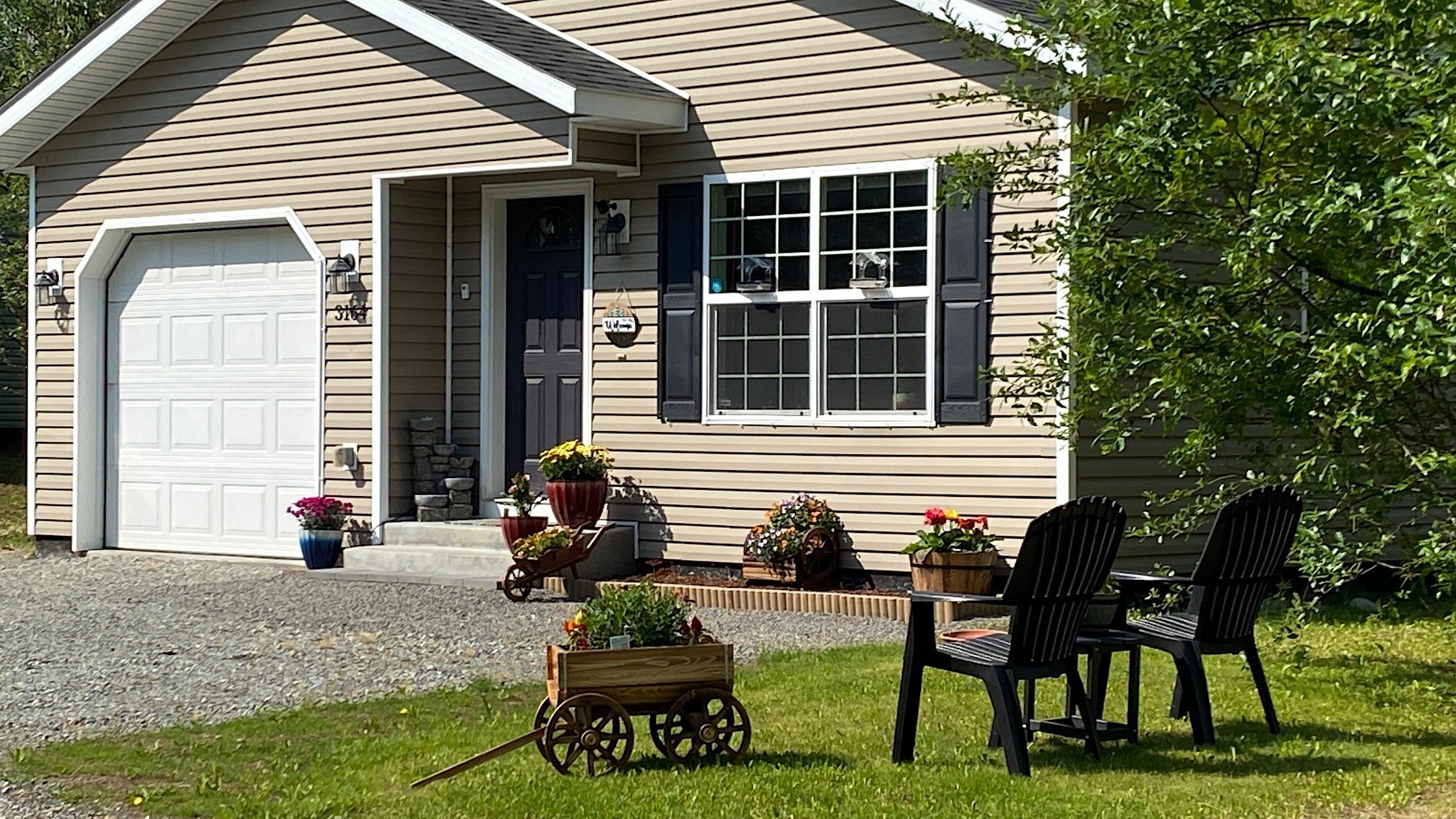
If you live in the Mat-Su area, this isn’t unusual. It happens every year, and it shows up fast.
What feels sudden is not random. It follows a pattern.
This guide breaks down why mosquitoes become such a consistent problem in the Mat-Su Valley, what is happening around your property, and what you can do before it gets out of control.
How Mosquito Season Sneaks Up on Your Yard
Mosquitoes are a part of life across Alaska, and Palmer, Wasilla, Butte, and nearby areas are no exception. What catches many homeowners off guard is how quickly the problem takes shape each year.
There is a stretch when everything seems fine. The yard looks dry, and there is no urgency to act. Then mosquito activity shows up and stays.
There is no clear starting point. By the time mosquitoes are noticeable, they are already present around the property.
That is where most people fall behind. They respond once the problem is obvious instead of getting ahead of it.
When Mosquito Season Starts and Peaks in the Mat-Su Valley
Mosquito season in the Mat-Su Valley follows a tight window,
Early May: Season Begins
The season typically begins in early May after snowmelt exposes the ground. One of the first to appear is the “snow mosquito,” a larger species that emerges as the snow melts.
At this stage, activity is easy to overlook.
Late May to June: Rapid Increase
As ground conditions settle, mosquito numbers rise quickly. What felt manageable can change in a matter of days.
Early to Mid-Summer: Peak Activity
By early to mid-summer, activity is at its highest. Outdoor spaces become difficult to use, especially in the evening. Areas like Meadow Lakes, KGB, and Lazy Mountain often feel this more due to surrounding terrain.
Late Season: Gradual Decline
As conditions dry out, activity declines. The drop is gradual before it tapers off.
The Conditions That Let Mosquitoes Thrive
The timing explains when mosquitoes show up. The landscape explains why they persist.
Snowmelt releases a large volume of water across the ground in a short period. Much of it spreads into shallow areas that warm quickly and support early development.
Flat terrain slows drainage, allowing moisture to linger in the soil.
Vegetation adds shelter. Trees, brush, and tall grass create shaded areas that protect mosquitoes during the day and allow them to remain active nearby.
The Most Overlooked Breeding Areas Around Homes
Even when a property looks dry overall, small pockets of moisture can remain in places most people do not think to check. These areas often go unnoticed because they blend into the yard and do not look like obvious problem spots.
Low Spots That Stay Wet Longer Than Expected
Small depressions in lawns or near the foundation can hold moisture longer than the surrounding ground. Once the surface dries, these areas are easy to ignore, even though damp soil remains underneath.
The best way to find them is to walk your property after rain or during thaw. If the same area stays soft or damp while everything else dries out, it is worth correcting.
Gutters and Roof Runoff That Create Hidden Wet Areas
Gutters and downspouts control how water leaves your roof. When they are clogged, poorly positioned, or not extended far enough, they concentrate moisture in the same locations again and again.
These repeated wet zones often sit close to the home and do not stand out, but they create consistent conditions that support mosquito activity.
Items That Quietly Collect Water
Some of the most common problem areas are the ones people plan to deal with later.
Buckets, bins, and outdoor equipment can hold small amounts of water without drawing attention. A blue tarp draped over materials can trap water in its folds, and those old tires that were never sold on Facebook Marketplace can hold it in the wells.
It does not take much. If water sits, mosquitoes are more than happy to set up camp in it!.
Edges Where Surfaces Meet
Moisture often collects where different surfaces come together. This includes the edge of gravel meeting soil, the base of a shed, or the transition between a driveway and lawn.
These areas do not look like typical problem spots, but they can hold just enough moisture to contribute to mosquito pressure around the property.
What Homeowners Can Do to Reduce Mosquito Problems
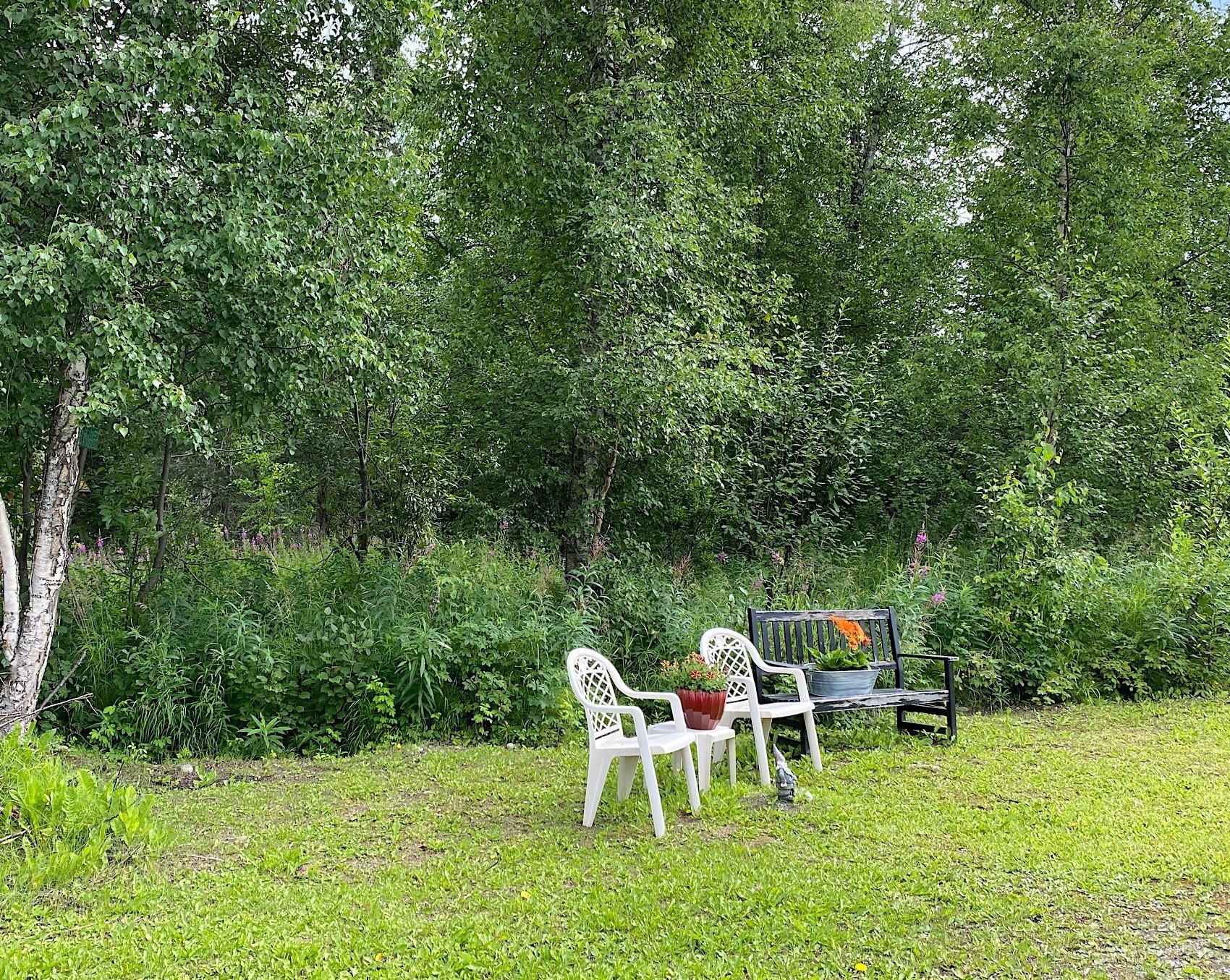
Once you know where mosquitoes are coming from, the goal is not to chase them. It is to make your property a place they cannot settle in the first place.
Correct areas where moisture lingers longer than the rest of the yard
Focus on spots that stay damp while everything else dries out. Small grading changes and extending downspouts can prevent repeat problem areas without reworking the entire yard.
Open up dense areas near the home
Thick vegetation creates stable, shaded cover. Trimming it back allows more sunlight and airflow, which makes those areas less usable for mosquitoes.
Check your property regularly, not just once
Conditions shift throughout the season. Walk the yard after rain or thaw and look for what has changed. New issues are often small and easy to fix early.
Prioritize the areas you actually use
Start with decks, entryways, and outdoor spaces. Improving these first reduces exposure right away, even if the rest of the property is still a work in progress.
When DIY Efforts Stop Being Enough
At a certain point, basic cleanup and small fixes stop making a difference.
Mosquitoes stick around even after you have addressed obvious issues
Activity shows up throughout the day, not just in the evening
You are getting bitten away from problem spots you can see
The source is no longer just your yard
You cannot eliminate every mosquito in the area, especially when they are coming from surrounding land. This is where most homeowners lose control and start chasing the problem instead of staying ahead of it.
What Professional Mosquito Control Changes
Professional mosquito control is not just about reducing what you see. It is about staying ahead of the cycle and targeting where mosquitoes actually live.
Treatment on a 21-Day Cycle
Treatments are timed to stay ahead of mosquito development instead of reacting after activity increases. A consistent 21-day cycle keeps control steady through the season rather than letting it reset.
Targeting Where Mosquitoes Actually Rest
Mosquitoes do not spend most of their time flying around in open air. They settle into shaded areas during the day.
Professional treatments focus on these hidden zones, including:
🎯 The underside of leaves
🎯 Dense shrubs and brush
🎯 Tree lines and shaded edges of the property
Treating these areas directly is what makes the difference between short-term relief and consistent control.
A Balanced Approach to Treatment
Peak Pest Control uses a combination of naturally derived products and a targeted synthetic component to deliver effective mosquito control while remaining mindful of families, pets, and the surrounding environment.
The focus is on targeted application, not overuse.
Built for Alaska Conditions
Mosquito control in Alaska is seasonal and depends on weather conditions. Services typically begin in early May and adjust as needed based on wind and rain.
This ensures treatments are applied when they are effective and within state guidelines.
What to Do Next: A Simple Homeowner Checkpoint
At this point, the next step is deciding how to respond.
If activity is still light
Stay consistent and monitor changesIf activity is increasing
The problem is building beyond small fixesIf your yard is hard to use
The issue is established and likely coming from outside your propertyIf the source is unclear
The problem is spread out and harder to control
If you are falling behind, it may be time to bring in professional help.
Take Back Your Yard with Peak Pest Control
If mosquitoes are taking over your yard, it doesn’t have to stay that way. With the right approach and consistent timing, you can get back to using your space.
Peak Pest Control serves Palmer, Wasilla, Chugiak, Eagle River, Willow, Sutton, and Butte with a simple, straightforward process.
Treatments are applied by certified applicators using a balanced approach that is effective while being mindful of families, pets, and the surrounding environment. We focus on where mosquitoes actually live, so control lasts instead of resetting every few weeks.
Schedule early and stay ahead of peak season so your yard is usable when it matters most.
